-
Custom Software Development
What Is Custom Software Development? A Complete Guide for Modern Businesses
July 15, 2026 — By Brain Technosys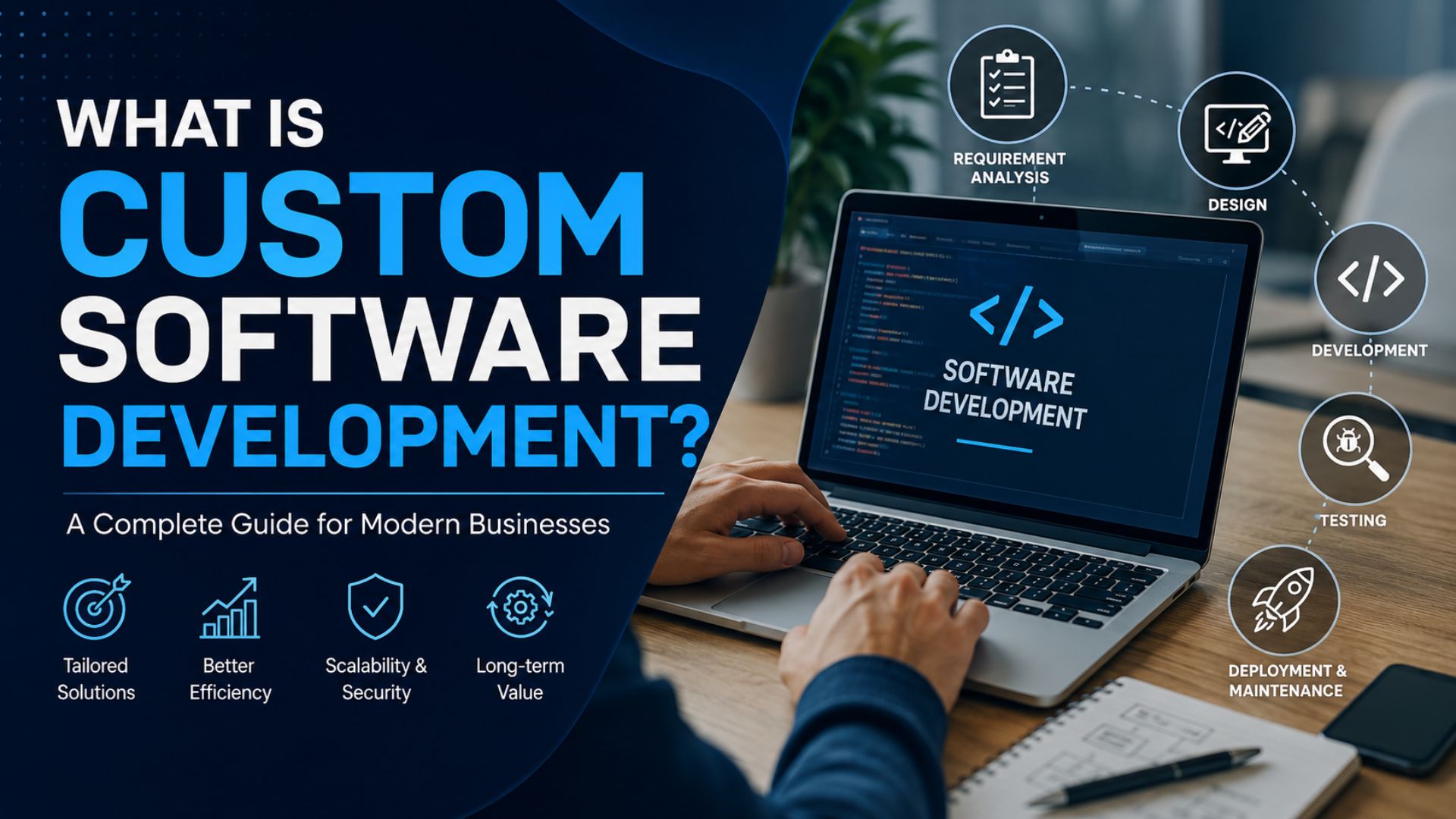
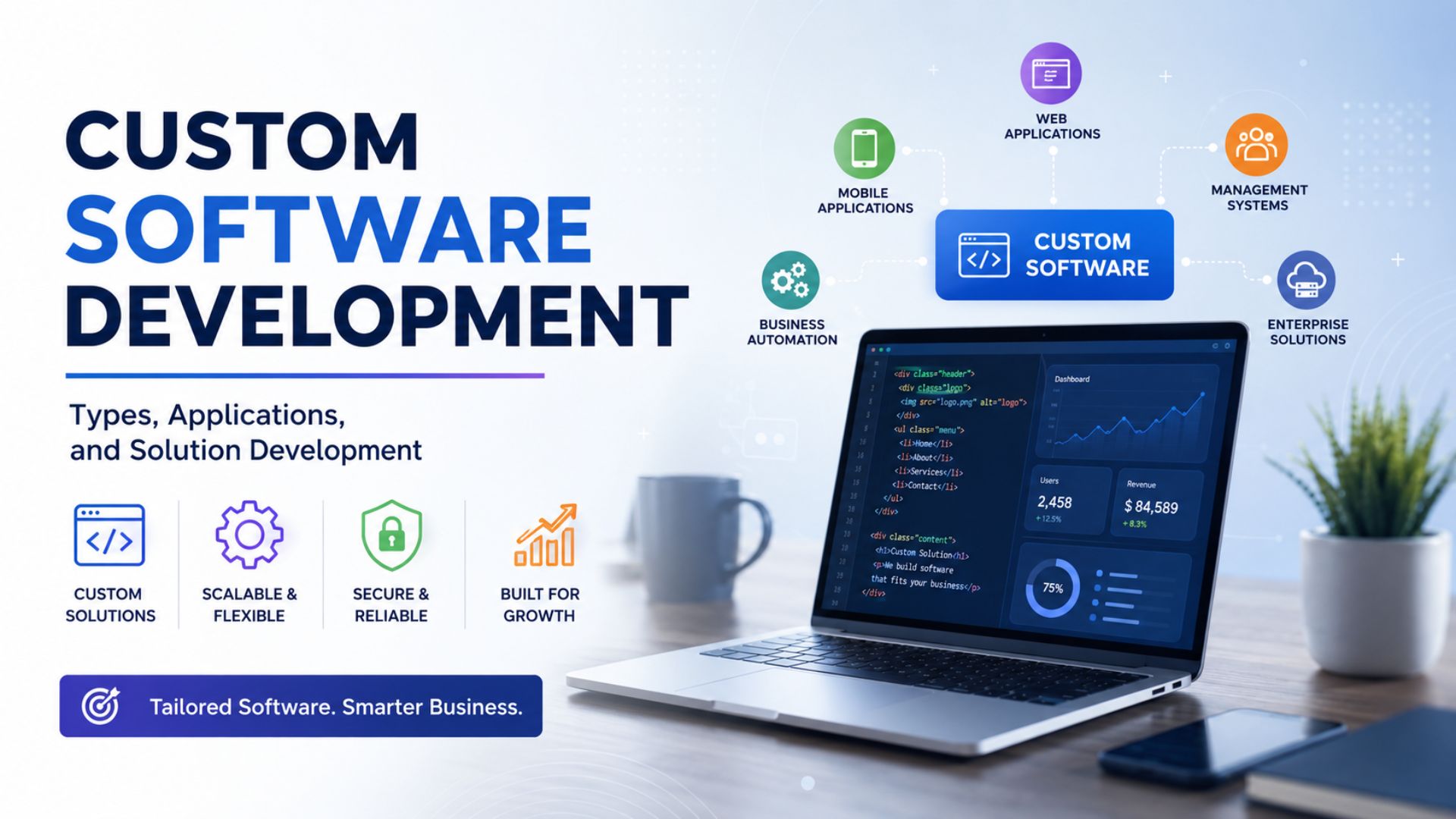
Custom software development is the process of designing and building software tailored to the unique needs of a business instead of relying on generic, off-the-shelf solutions. It helps organizations improve efficiency, automate workflows, integrate existing systems, and scale as they grow. This guide explains what Custom Software Development Services is, how it works, its key benefits, common use cases, and how to choose the right development partner for long-term business success.
What Is Custom Software Development?
Every business has unique goals and workflows, so a one-size-fits-all software solution may not always be the best choice. Custom software development focuses on creating applications that are specifically designed to meet a company’s requirements. Whether it’s improving productivity, automating processes, or supporting future growth, custom software provides greater flexibility and control than generic solutions.
Definition of Custom Software Development
Custom software development is the process of designing, building, testing, and maintaining software that is tailored to the specific needs of a business. Unlike standard software, it is created with customized features, workflows, and integrations to solve unique business challenges and improve operational efficiency.
How Custom Software Differs from Ready-Made Software
Ready-made software is built for a broad audience with standard features, while custom software is developed specifically for one business. Custom solutions offer greater flexibility, better scalability, seamless integration with existing systems, and the ability to adapt as business needs evolve.
Why Businesses Choose Custom Software Development
Businesses choose custom software because it is designed to match their unique goals, workflows, and operational requirements. Unlike generic software, custom solutions help improve efficiency, reduce manual work, and provide the flexibility to grow as the business evolves. They also integrate seamlessly with existing systems, making daily operations smoother and more productive.
Solving Unique Business Challenges
Every business operates differently. Custom software is built to address specific challenges that standard software may not solve, helping organizations streamline processes and improve overall performance.
Better Scalability and Flexibility
As a business grows, its software requirements also change. Custom software can be easily updated with new features, users, and integrations, ensuring it continues to support future business needs.
Enhanced Security and Compliance
Custom software offers stronger control over security by implementing features that match the organization’s requirements. It can also be developed to meet industry-specific compliance standards, helping businesses protect sensitive data and reduce security risks.
Common Types of Custom Software Solutions
Custom software can be developed for different business needs, helping organizations improve efficiency, automate operations, and deliver better customer experiences. The type of solution depends on the company’s goals, industry, and workflow requirements.
Enterprise Software
Enterprise software is designed to manage core business operations such as human resources, finance, customer management, and project collaboration. It helps organizations centralize data and improve productivity.
CRM and ERP Systems
Custom CRM (Customer Relationship Management) and ERP (Enterprise Resource Planning) solutions help businesses manage customer relationships, sales, inventory, accounting, and daily operations from a single platform.
Web Applications
Custom Web Development Services allow businesses to provide secure, browser-based solutions for customers, employees, or partners. They can be tailored to specific workflows and integrated with existing business systems.
Mobile Applications
Custom mobile applications for Android and iOS help businesses engage customers, improve employee productivity, and provide services anytime, anywhere through smartphones and tablets.
Industry-Specific Software
Many organizations require software built specifically for their industry, such as healthcare, finance, education, retail, or logistics. These solutions are designed to meet unique operational needs, compliance requirements, and business processes.
The Custom Software Development Process
Developing custom software is a structured process that ensures the final solution aligns with business objectives and user requirements. Each stage plays an important role in delivering reliable, secure, and scalable software.
Requirement Analysis
The process begins by understanding the business goals, target users, and project requirements. This helps define the software’s features, functionality, and overall scope before development starts.
Planning and Design
Once the requirements are finalized, developers create the software architecture, user interface designs, and project roadmap. Proper planning ensures a smooth development process and a better user experience.
Development
During this stage, developers build the software based on the approved design and requirements. Features are developed, integrations are added, and the application gradually takes shape.
Testing and Quality Assurance
Before launch, the software is thoroughly tested to identify and fix bugs, improve performance, and ensure security. This helps deliver a stable and reliable product.
Deployment and Ongoing Maintenance
After successful testing, the software is deployed for users. Regular updates, security improvements, performance optimization, and feature enhancements help keep the application running efficiently as business needs evolve.
Key Benefits of Custom Software Development
Custom software offers businesses more than just tailored functionality. It helps improve operational efficiency, supports long-term growth, and provides greater control over business processes. By aligning with specific business needs, custom solutions can deliver lasting value and a stronger competitive advantage.
Improved Business Efficiency
Custom software automates repetitive tasks, simplifies workflows, and reduces manual effort. This allows teams to work more efficiently and focus on high-value activities.
Seamless Integration with Existing Systems
Unlike many off-the-shelf solutions, custom software can integrate smoothly with existing business tools, databases, and third-party applications, ensuring a connected and efficient workflow.
Long-Term Cost Effectiveness
Although the initial investment may be higher, custom software can reduce ongoing licensing costs, improve productivity, and minimize the need for multiple software subscriptions over time.
Competitive Advantage
A custom-built solution gives businesses features and capabilities designed specifically for their operations, helping them deliver better customer experiences and stay ahead of competitors.
Custom Software vs Off-the-Shelf Software
Choosing between custom software and off-the-shelf software depends on your business goals, budget, and long-term requirements. While ready-made software is a good option for common business needs, custom software is built specifically for your organization, offering greater flexibility, scalability, and control. Understanding the differences can help you make a more informed decision.
Features Comparison
Off-the-shelf software comes with standard features designed for a wide range of users. In contrast, custom software includes only the features your business needs, making it more efficient and aligned with your workflows.
Cost Comparison
Ready-made software usually has a lower upfront cost but often includes recurring subscription fees and limitations. Custom software requires a higher initial investment, but it can provide better long-term value by reducing ongoing licensing costs and supporting business growth.
Long-Term Business Value
Custom software can evolve as your business expands. New features, integrations, and updates can be added whenever needed, making it a future-ready solution. Off-the-shelf software, however, depends on the vendor’s updates and may not always meet changing business requirements.
Industries That Benefit from Custom Software Development
Custom software is used across many industries to improve efficiency, automate processes, and solve unique business challenges. Since every industry has different requirements, a tailored software solution helps organizations streamline operations and deliver better services.
Healthcare
Healthcare organizations use custom software to manage patient records, appointment scheduling, telemedicine, billing, and secure data management while meeting industry compliance requirements.
Retail and eCommerce
Retail businesses benefit from custom solutions for inventory management, order processing, customer relationship management, and personalized shopping experiences across multiple sales channels.
Finance
Banks, financial institutions, and fintech companies use custom software to improve transaction security, automate financial processes, manage customer data, and support regulatory compliance.
Logistics
Logistics companies rely on custom software for fleet management, shipment tracking, warehouse operations, route optimization, and supply chain visibility.
Education
Educational institutions and eLearning platforms use custom software to manage online courses, student records, virtual classrooms, assessments, and communication between teachers and learners.
How to Choose the Right Custom Software Development Company
Selecting the right custom software development company is an important decision that can directly impact your project’s success. A reliable technology partner should understand your business goals, follow a structured development process, and deliver scalable, secure, and high-quality solutions. Before making a decision, evaluate their technical expertise, industry experience, communication process, and post-launch support.
Technical Expertise
Choose a company with experience in the technologies your project requires. A skilled development team can recommend the right tech stack and build software that is secure, scalable, and future-ready.
Industry Experience
A company with experience in your industry is more likely to understand your business challenges, compliance requirements, and customer expectations, resulting in faster and more effective development.
Development Process
Look for a development partner that follows a transparent process with proper planning, regular communication, testing, and timely project delivery. A structured workflow helps reduce risks and improves project quality.
Support and Maintenance
Software requires regular updates, performance improvements, and security patches after launch. Choose a company that offers ongoing maintenance and technical support to keep your application running smoothly.
Frequently Asked Questions
What is custom software development?
Custom software development is the process of designing and building software tailored to a specific business’s needs. Unlike off-the-shelf software, it is created with customized features, workflows, and integrations to improve efficiency and support business goals.
How much does custom software development cost?
The cost depends on several factors, including project complexity, required features, technology stack, integrations, development timeline, and the size of the development team. Every project is unique, so pricing varies based on business requirements.
How long does it take to build custom software?
The development timeline depends on the project’s scope and complexity. A simple application may take a few months, while enterprise-level software with advanced features and integrations can require a longer development cycle.
Is custom software suitable for small businesses?
Yes. Custom software is suitable for businesses of all sizes. It helps small businesses automate processes, improve productivity, and build solutions that can scale as the company grows.
What technologies are used in custom software development?
The technology stack depends on the project requirements. Common technologies include .NET, PHP, Node.js, React, Angular, Flutter, Xamarin, Microsoft Azure, AI/ML, cloud platforms, SQL and NoSQL databases, along with other modern development frameworks.
Final Thoughts
Custom software development enables businesses to create solutions that align with their unique processes, goals, and future growth plans. Unlike generic software, it offers greater flexibility, scalability, security, and seamless integration with existing systems. Whether you’re looking to automate operations, improve customer experiences, or accelerate Digital Transformation Services, investing in a custom software solution can provide long-term business value. Choosing an experienced software development partner ensures your solution is built with the right technology, strategy, and ongoing support to meet evolving business needs.
Recent Posts
-
Benefits of AI for Businesses: How Artificial Intelligence Drives Growth
September 24, 2026
-

What Is AI Software Development? A Complete Guide for Businesses
September 11, 2026
-

Benefits of Custom Software Development for Modern Businesses
September 2, 2026
-
Hire the Best Angular Developers - Brain Technosys
August 21, 2026
-
Categories
- .NET development
- Agile Project Management
- AI development
- android app development
- Angular Developer
- Apps Development
- Bing Webmasters
- Blog Marketing
- Cloud Services
- Custom Software Development
- Digital Marketing
- E-Commerce
- Flutter App Development
- Google Adwords
- google map
- Google Update
- Google Webmasters
- Hire Developers
- HTML
- internet marketing
- Ios App Development
- iphone app development
- Local SEO
- magento development
- MEAN vs MERN Stack Development
- mobile app development
- Mobile Update
- News & Events
- PPC
- Search Engine Optimization
- Seo
- Social Media Marketing
- Tech
- Uncategorized
- Web Design
- Web Development
- Web Hosting
- WooCommerce Development


