-
Custom Software Development
Custom Software Development: Types, Applications, and Solution Development
August 11, 2026 — By Brain Technosys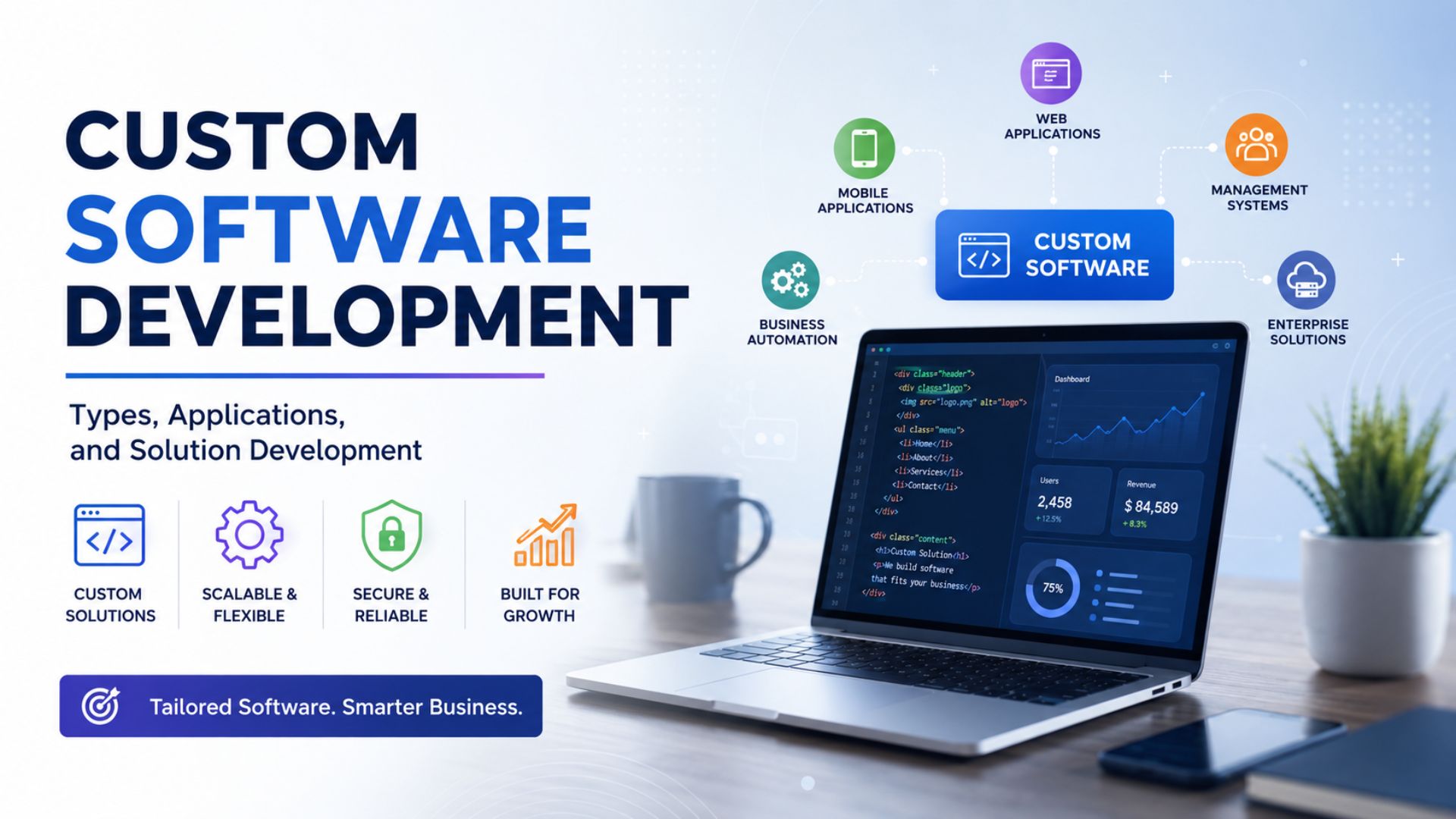
Custom software development allows businesses to create digital solutions around their specific processes, goals, and customer requirements. Unlike ready-made software, a custom solution can be designed with the features, integrations, security controls, and scalability a business actually needs. This guide explains the different types of custom software development, their common business applications, and how the development process works from planning to deployment. It also covers the benefits of custom software development services, the differences between custom and off-the-shelf solutions, development costs, and factors to consider when choosing a software development company. The goal is to help businesses make a practical and informed technology decision.
What Is Custom Software Development?
This section will explain what custom software development means, why businesses build software specifically for their needs, and how it differs from ready-made software.
How Custom Software Differs from Ready-Made Software
Explain how custom software is developed around specific business requirements, while off-the-shelf software is designed for a broader audience. Compare flexibility, features, integrations, and scalability.
Why Businesses Choose Custom Software Solutions
Explain why businesses choose custom software development services when existing software cannot properly support their workflows, processes, or growth requirements.
Types of Custom Software Development
This section will introduce different types of software solutions businesses can develop based on their operational and customer requirements.
Enterprise Software Solutions
Explain how enterprise software helps larger organizations manage employees, departments, operations, data, and business processes.
Custom Web Applications
Discuss browser-based applications such as customer portals, dashboards, booking systems, and business management platforms.
Custom Mobile Applications
Explain how businesses can build Android and iOS applications for customers, employees, or internal operations.
Business Process Automation Software
Explain how custom software can automate repetitive activities such as approvals, notifications, data processing, and reporting.
Customer and Internal Management Systems
Cover solutions such as CRM platforms, employee management systems, inventory systems, and other internal business applications.
Common Applications of Custom Software
This section will show practical examples of how businesses use custom software across different industries and departments.
Customer Relationship Management
Explain how businesses can manage leads, customer information, communication, follow-ups, and sales activities through a centralized system.
Retail and Inventory Management
Discuss software for managing products, stock levels, orders, suppliers, and inventory movement.
eCommerce and Online Business
Explain how businesses can develop customized eCommerce functionality, payment integrations, order management, and customer features.
Healthcare and Professional Services
Cover applications such as appointment management, records, communication, billing, and specialized workflows.
Finance and Business Operations
Explain how custom systems can support financial data, reporting, approvals, expenses, and other operational activities.
Key Benefits of Custom Software Development
This section will focus on practical business benefits rather than generic claims.
Designed Around Business Requirements
Explain how software can be built around existing workflows and specific business requirements instead of forcing the company to change its processes.
Integration with Existing Business Systems
Discuss integrations with CRM, ERP, payment gateways, APIs, cloud platforms, and other business systems.
Better Scalability and Flexibility
Explain how a custom solution can be expanded with new users, features, integrations, and workflows as the business grows.
Improved Data Management and Security
Explain how centralized data management and appropriate security controls can help businesses manage sensitive information more effectively.
Reduced Manual Work and Operational Effort
Show how automation and system integration can reduce repetitive tasks and allow employees to focus on more important activities.
When Does a Business Need Custom Software?
This section will help readers determine whether custom software is actually necessary for their business.
Existing Software Does Not Meet Business Requirements
Explain when businesses may need a custom solution because existing software lacks important features or requires constant workarounds.
Multiple Systems Need to Work Together
Discuss situations where businesses use several disconnected tools and have to manually transfer data between them.
Business Processes Are Highly Specialized
Explain why businesses with unique or industry-specific workflows may benefit from software designed around those processes.
The Business Needs to Scale
Discuss how growing companies may need software capable of supporting increasing users, data, transactions, and operational requirements.
Custom Software Development Process
This section will explain the typical journey followed by a software development company, from initial requirements to ongoing support.
Business Requirements and Discovery
Explain how business goals, users, workflows, challenges, and required features are identified before development begins.
Solution Planning and Architecture
Discuss technology selection, system architecture, database planning, integrations, and the overall technical approach.
UI/UX Design
Explain how user interfaces and navigation are designed to make the software practical and easy to use.
Software Development
Describe how developers build the actual software based on the approved requirements and design.
Testing and Quality Assurance
Cover functional testing, performance testing, security testing, compatibility testing, and usability testing.
Deployment and Integration
Explain how the completed software is deployed and connected with required third-party systems and APIs.
Maintenance and Continuous Improvement
Discuss bug fixes, security updates, performance improvements, feature additions, and ongoing technical support after launch.
Custom Software vs. Off-the-Shelf Software
This comparison will help readers understand which approach may be more suitable for their business.
Advantages of Ready-Made Software
Explain why businesses may choose ready-made software when they need common functionality, faster implementation, and predictable features.
Advantages of Custom Software
Discuss the benefits of business-specific functionality, flexibility, integrations, scalability, and greater control over the solution.
Which Option Is Right for Your Business?
Explain that the decision depends on business requirements, budget, workflow complexity, integrations, scalability, and long-term goals.
How Much Does Custom Software Development Cost?
Instead of giving an unrealistic fixed price, this section will explain the main factors that influence development costs.
Factors That Influence Development Cost
Discuss project complexity, number of features, users, platforms, integrations, security requirements, and development resources.
Features, Integrations, and Technology Requirements
Explain how advanced functionality, third-party integrations, and specialized technologies can increase development effort.
Development Time and Ongoing Maintenance
Explain why businesses should consider not only the initial development cost but also hosting, updates, security, support, and future improvements.
How to Choose a Software Development Company
This section will help readers evaluate a potential software development company before starting a project.
Technical Expertise and Relevant Experience
Explain why businesses should review a company’s portfolio, technical capabilities, and experience with similar projects.
Development Process and Communication
Discuss the importance of clear requirements, regular updates, documentation, and transparent communication.
Security, Scalability, and Integration Capabilities
Explain why the development partner should understand secure architecture, scalable systems, and third-party integrations.
Post-Launch Support and Maintenance
Explain why technical support, updates, bug fixes, and ongoing improvements are important after the software goes live.
Frequently Asked Questions
What is custom software development?
Explain that custom software development is the process of designing and building software specifically around a business’s requirements, workflows, users, and goals. Unlike ready-made software, it can be customized for specific features, integrations, security requirements, and future growth.
What are the main types of custom software?
Briefly explain the major categories, such as enterprise software, custom web applications, mobile applications, CRM systems, inventory management software, business automation solutions, and industry-specific software. Give a simple example where useful.
What are the benefits of custom software development?
Focus on practical benefits such as business-specific functionality, flexibility, scalability, system integration, improved workflow efficiency, data management, and greater control over the software. Avoid making unrealistic claims such as guaranteed cost savings.
How long does custom software development take?
Explain that there is no single development timeline because it depends on the project’s scope, complexity, number of features, platforms, integrations, design requirements, testing, and team size. A simple application may take significantly less time than a complex enterprise solution.
How much does custom software development cost?
Explain that the cost varies from project to project. Important factors include software complexity, features, UI/UX requirements, technology stack, integrations, security requirements, number of platforms, development time, and ongoing maintenance. This gives readers a realistic understanding instead of providing an arbitrary fixed price.
Should a business choose custom or ready-made software?
Give a balanced answer rather than automatically recommending custom software. Ready-made software can be suitable when a business’s requirements are standard and the available features are sufficient. Custom software development may be more appropriate when a business has specialized workflows, requires multiple integrations, needs greater flexibility, or expects significant future growth.
Final Thoughts
The conclusion should briefly bring together the main points of the article and help the reader understand when custom software development makes sense. It should not introduce completely new information or become overly promotional.
Recent Posts
-
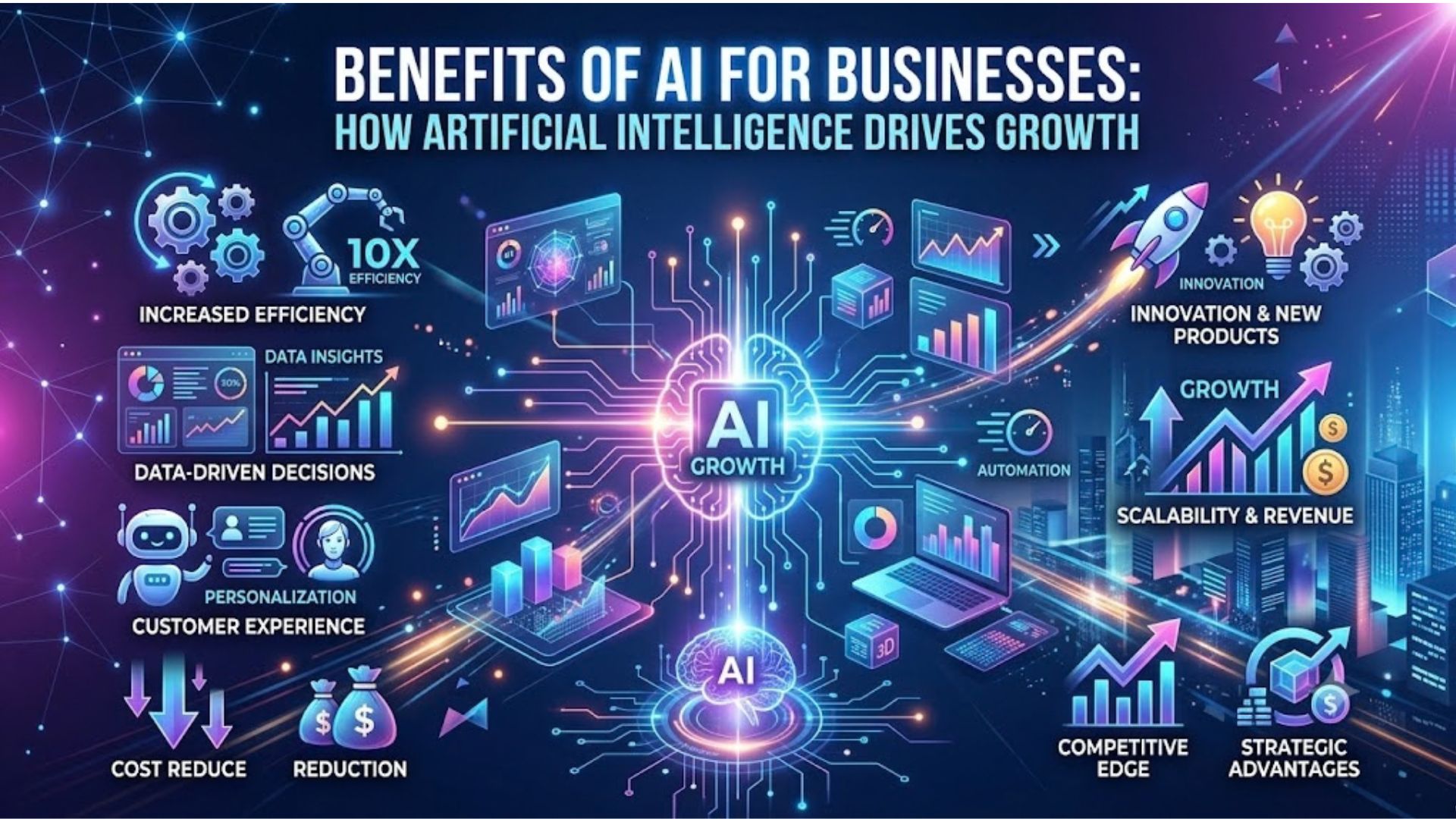
Benefits of AI for Businesses: How Artificial Intelligence Drives Growth
September 24, 2026
-

What Is AI Software Development? A Complete Guide for Businesses
September 11, 2026
-

Benefits of Custom Software Development for Modern Businesses
September 2, 2026
-
Hire the Best Angular Developers - Brain Technosys
August 21, 2026
-
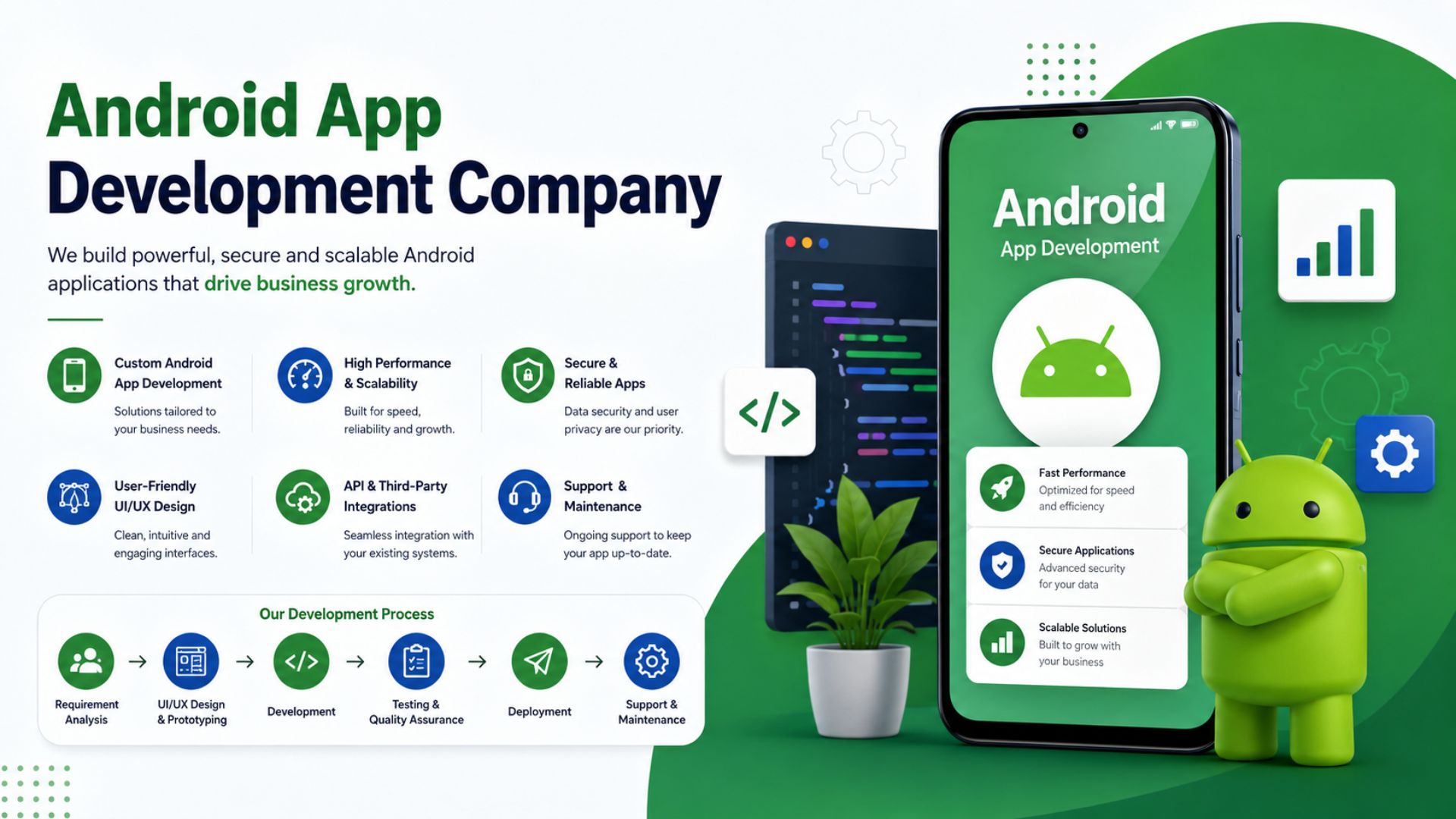
Categories
- .NET development
- Agile Project Management
- AI development
- android app development
- Angular Developer
- Apps Development
- Bing Webmasters
- Blog Marketing
- Cloud Services
- Custom Software Development
- Digital Marketing
- E-Commerce
- Flutter App Development
- Google Adwords
- google map
- Google Update
- Google Webmasters
- Hire Developers
- HTML
- internet marketing
- Ios App Development
- iphone app development
- Local SEO
- magento development
- MEAN vs MERN Stack Development
- mobile app development
- Mobile Update
- News & Events
- PPC
- Search Engine Optimization
- Seo
- Social Media Marketing
- Tech
- Uncategorized
- Web Design
- Web Development
- Web Hosting
- WooCommerce Development


