-
mobile app development
AI-First Mobile App Development in 2026: What Every Business Needs to Know
May 28, 2026 — By Brain Technosys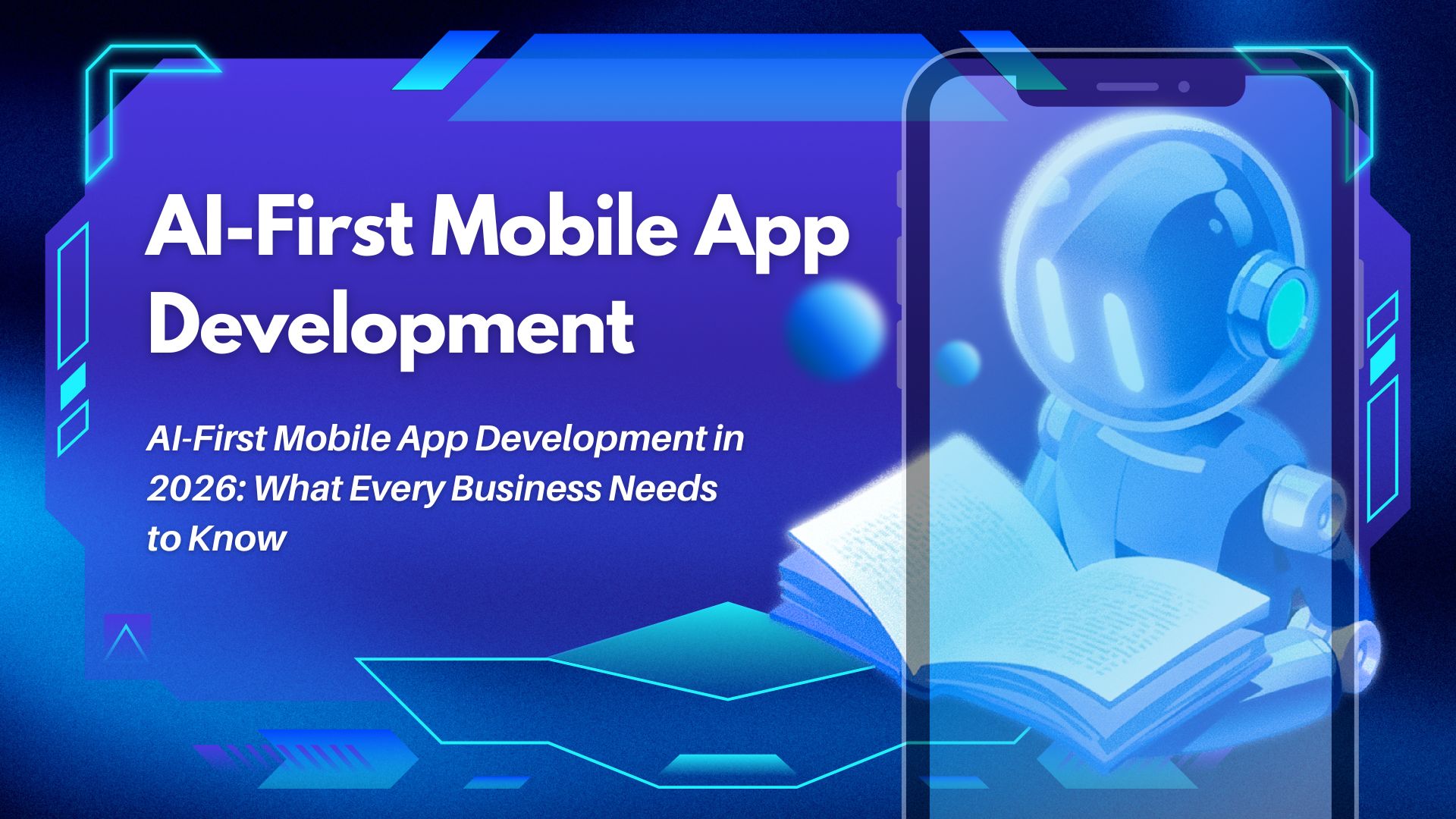
If you’ve been watching the mobile app space lately, one thing is crystal clear artificial intelligence is no longer a “nice-to-have” feature you bolt on at the end. In 2026, AI is the starting point. Businesses that treat it as an afterthought are already falling behind those who’ve made it the backbone of their entire mobile strategy.
So what does “AI-first” actually mean? And more importantly, how does it change the way you build, scale, and grow a mobile product?
Let’s break it all down.
What Is AI-First Mobile App Development?
AI-first mobile app development means designing an application around artificial intelligence from day one, not adding it as a feature after the core app is built. The AI layer shapes how the app thinks, responds, and personalizes itself for every single user.
This is different from traditional development where you build the product first and then try to sprinkle some machine learning on top. When AI is embedded at the architecture level, the entire experience becomes smarter faster load predictions, adaptive UI, real-time decision-making, and automated workflows that feel almost human.
For any business looking for custom mobile app development company in 2026, this approach isn’t optional anymore. It’s the baseline expectation from users.
Why 2026 Is the Turning Point for AI in Mobile
The numbers tell the story pretty clearly. According to Gartner, 40% of enterprise applications will feature task-specific AI agents by end of 2026, up from less than 5% just a year ago. That’s not a gradual shift. That’s an industry pivot happening in real time.
On the device side, roughly 40% of mobile AI workloads are now running locally directly on the phone itself rather than sending everything to a cloud server. This means faster responses, better privacy, and apps that work even with spotty internet.
And users? Their expectations have shifted too. People now interact with AI daily through assistants, recommendation engines, smart cameras, and predictive tools. When they open your app, they expect that same level of intelligence built right in.
Core Pillars of AI-First Mobile App Development
Hyper-Personalization at Scale
One of the biggest advantages of AI-driven mobile app development services is the ability to personalize the experience for each user not just by name but by behavior, preferences, time of day, location, and past interactions.
Think of an e-commerce app that surfaces exactly what you were about to search for. Or a fitness app that adjusts your workout plan based on how you slept last night. This kind of real-time personalization was nearly impossible to scale just a few years ago. Now, it’s becoming standard.
For businesses, this translates directly into higher retention, better conversion rates, and lower churn.
On-Device AI (Edge AI)
Running AI models directly on the device, what’s called Edge AI is one of the most important shifts in mobile right now. It reduces latency dramatically, keeps sensitive data on the user’s phone rather than sending it to external servers, and allows apps to function intelligently even offline.
For industries like healthcare, finance, and logistics, this isn’t just a performance improvement. It’s a compliance and trust requirement.
Any serious mobile app development company in 2026 should be evaluating Edge AI as a default consideration for apps that handle real-time data or privacy-sensitive information.
Conversational Interfaces and Voice AI
Natural language interaction has matured significantly. Users now expect to talk to apps, not just tap through them. Voice-first features powered by large language models are being embedded in everything from retail apps to enterprise tools.
This goes beyond simple voice commands. We’re talking about conversational flows where the app understands context, remembers previous exchanges, and responds in a way that feels genuinely helpful rather than robotic.
Predictive Analytics Built Into the Core
Rather than pulling reports and analyzing data manually, AI-first apps generate insights proactively. They surface anomalies, flag risks, forecast demand, and trigger automated actions all without the user having to ask.
For a restaurant POS app, that might mean predicting inventory shortfalls before they happen. For a CRM app, it might mean flagging leads that are about to go cold. The intelligence is baked in, not bolted on.
Intelligent Automation
Repetitive tasks that once required human input are now handled by AI agents embedded in the app itself. Form filling, scheduling, data entry, customer follow-ups these workflows can be partially or fully automated, freeing up your team for higher-value work.
This is particularly powerful for SaaS applications, ERP systems, and any B2B tool where speed and accuracy directly impact revenue.
Industries That Are Already Winning With AI-First Mobile Apps
E-Commerce and Retail
AI recommendation engines are driving measurable increases in average order value. Visual search, smart sizing guides, and dynamic pricing these features are becoming table stakes for any serious retail mobile experience. Brands that launched AI-personalized apps in the last 18 months are seeing clear performance gains over those still serving generic catalogs.
Healthcare
Symptom checkers, remote patient monitoring, medication reminders with adaptive scheduling, and AI-assisted diagnostics are transforming what a healthcare app can do. Edge AI is especially valuable here since patient data can stay on-device, reducing compliance complexity.
Finance and Fintech
Fraud detection, credit scoring, spending analysis, and automated financial advice are all areas where AI integration is creating genuinely useful mobile products. Customers now expect their banking app to alert them about unusual activity before they even notice it themselves.
On-Demand and Logistics
Route optimization, demand forecasting, driver behavior analysis, and real-time ETA predictions AI is making on-demand apps significantly more efficient from both the user and operational side.
AI-First vs. AI-Added Why the Difference Matters
This is worth spelling out clearly because it affects the budget, the timeline, and the quality of the final product.
When AI is added to an existing app, you end up with a patchwork. The underlying architecture wasn’t designed for it. Data pipelines have to be rebuilt. The AI layer often conflicts with how the core logic was written. The result is slow, expensive, and harder to maintain.
When AI is part of the original design when your custom mobile app development starts with questions like “What should the app learn, predict, and automate?” the architecture supports it from the ground up. The result is a cleaner, faster, more scalable product.
If you’re planning a new app in 2026, starting AI-first is almost always the better path. If you’re upgrading an existing app, it’s worth having an honest conversation about whether patching AI onto the current architecture is truly the right move.
What to Look for in a Mobile App Development Company for AI Projects
Not every development team is equipped to build AI-first applications. Here’s what you should actually be evaluating:
Experience with AI/ML frameworks like TensorFlow, PyTorch, ML.NET, and OpenCV and cloud AI services from Azure, AWS, or Google. Ask to see real examples, not just logos on a services page.
Data architecture knowledge AI apps are only as good as the data feeding them. A capable team understands how to structure data pipelines, handle real-time data streams, and design for model retraining.
Cross-platform expertise Most businesses need their AI app to work on both iOS and Android. Teams experienced with Flutter and React Native can deliver this without doubling the development effort.
Security and compliance thinking Especially important when AI is processing personal, financial, or health data. GDPR, HIPAA, and similar regulations need to be part of the design conversation, not an afterthought.
Clear communication AI projects can get complex. You want a team that explains decisions in plain language, not one that hides behind technical jargon.
Common Mistakes Businesses Make With AI Mobile App Development
Starting with the technology, not the problem. “We want an AI app” is not a goal. “We want to reduce customer support tickets by 40% through in-app intelligent assistance” is a goal. Start with the outcome.
Underestimating data requirements. AI models need training data. If you don’t have it, you need a plan to collect it. This affects timelines and budget significantly.
Ignoring performance on mid-range devices. Your AI features might run beautifully on the latest flagship phone and poorly on the devices your actual users carry. Test across a realistic device range.
Skipping explainability. Users and regulators increasingly want to understand why an AI made a certain decision. Especially in finance and healthcare, explainable AI isn’t optional.
Treating AI as a one-time build. Models drift. User behavior changes. An AI-first app requires ongoing monitoring, retraining, and improvement. Build that expectation into your roadmap and budget.
How Brain Technosys Approaches AI-First Mobile Development
At Brain Technosys, we’ve spent the last several years building AI capabilities into mobile products across healthcare, e-commerce, retail, finance, and on-demand services. Our mobile app development services are designed around understanding your actual business problem first, then choosing the right combination of AI, backend architecture, and cross-platform technology to solve it.
We work with TensorFlow, OpenCV, Azure AI, and OpenAI integrations. Our development teams are experienced with Flutter and React Native for cross-platform delivery, and our project managers are trained to translate complex AI decisions into language your entire team can follow.
If you’re ready to build something genuinely intelligent, not just an app with a chatbot stuck in the corner, we’d love to talk.
Final Thoughts
AI-first mobile app development in 2026 isn’t about chasing a trend. It’s about building products that are actually useful apps that learn, adapt, and create real value for the people using them.
The businesses making this shift now are building meaningful advantages in retention, operational efficiency, and user satisfaction. The ones waiting are going to find it increasingly expensive to catch up.
If you’re planning a mobile product or rethinking an existing one, the most important question you can ask right now is: where should the intelligence live, and what should it do?
Start there, and the rest of the build becomes a lot clearer.
Looking for a trusted mobile app development company with hands-on AI experience? Brain Technosys has delivered 260+ mobile apps across 20+ countries. Get in touch to discuss your project.
FAQs
What is AI-first mobile app development?
AI-first mobile app development is an approach where artificial intelligence is integrated into the app from the very beginning at the architecture level rather than added as a feature later. This allows the app to personalize experiences, automate tasks, and make real-time decisions from day one.How is AI-first different from traditional mobile app development?
In traditional development, AI is usually added after the core app is built, which leads to performance issues and higher costs. In AI-first development, the entire app is designed around AI capabilities from the start, resulting in a smarter, faster, and more scalable product.Which industries benefit most from AI-powered mobile apps?
Industries like healthcare, e-commerce, fintech, logistics, retail, and on-demand services are seeing the biggest gains. AI helps these sectors with personalization, fraud detection, predictive analytics, route optimization, and intelligent automation.How much does custom mobile app development with AI cost?
The cost depends on the complexity of AI features, platforms (iOS/Android), and backend requirements. A basic AI-integrated app can start from $15,000–$25,000, while enterprise-grade AI apps can go significantly higher. Brain Technosys offers flexible engagement models to fit different budgets.How long does it take to develop an AI-first mobile app?
A standard AI-first mobile app typically takes 3 to 6 months depending on feature complexity, data requirements, and integrations. Brain Technosys follows an agile development process to ensure faster delivery without compromising quality.
Recent Posts
-
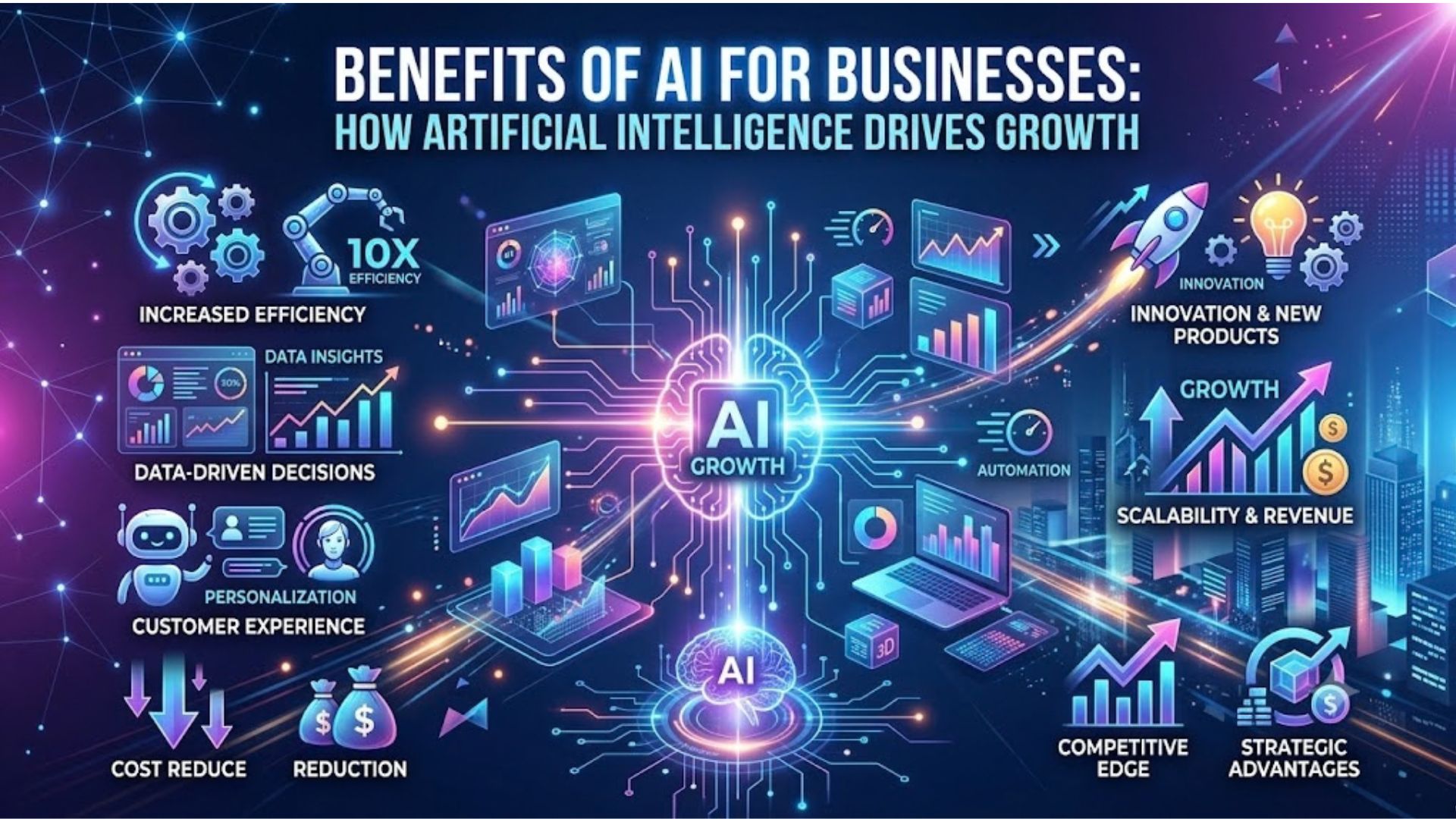
Benefits of AI for Businesses: How Artificial Intelligence Drives Growth
September 24, 2026
-

What Is AI Software Development? A Complete Guide for Businesses
September 11, 2026
-

Benefits of Custom Software Development for Modern Businesses
September 2, 2026
-
Hire the Best Angular Developers - Brain Technosys
August 21, 2026
-
Categories
- .NET development
- Agile Project Management
- AI development
- android app development
- Angular Developer
- Apps Development
- Bing Webmasters
- Blog Marketing
- Cloud Services
- Custom Software Development
- Digital Marketing
- E-Commerce
- Flutter App Development
- Google Adwords
- google map
- Google Update
- Google Webmasters
- Hire Developers
- HTML
- internet marketing
- Ios App Development
- iphone app development
- Local SEO
- magento development
- MEAN vs MERN Stack Development
- mobile app development
- Mobile Update
- News & Events
- PPC
- Search Engine Optimization
- Seo
- Social Media Marketing
- Tech
- Uncategorized
- Web Design
- Web Development
- Web Hosting
- WooCommerce Development


